
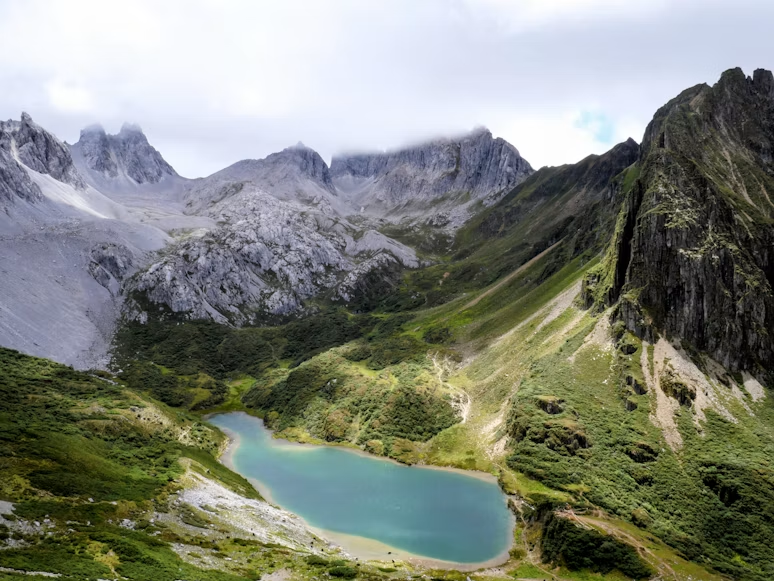
There is no single best month for all of Yunnan. On the same trip, you can move from a warm tropical valley to a high plateau where the evening requires a down jacket. The weather changes with altitude as much as it changes with the calendar.
Spring and autumn suit many first visits, but summer brings green highlands and winter brings dry days across much of central and western Yunnan. The tropical south follows a warmer pattern.
Choose the season after choosing the region and the type of days you want.
The broad pattern: a dry season and a rainy season
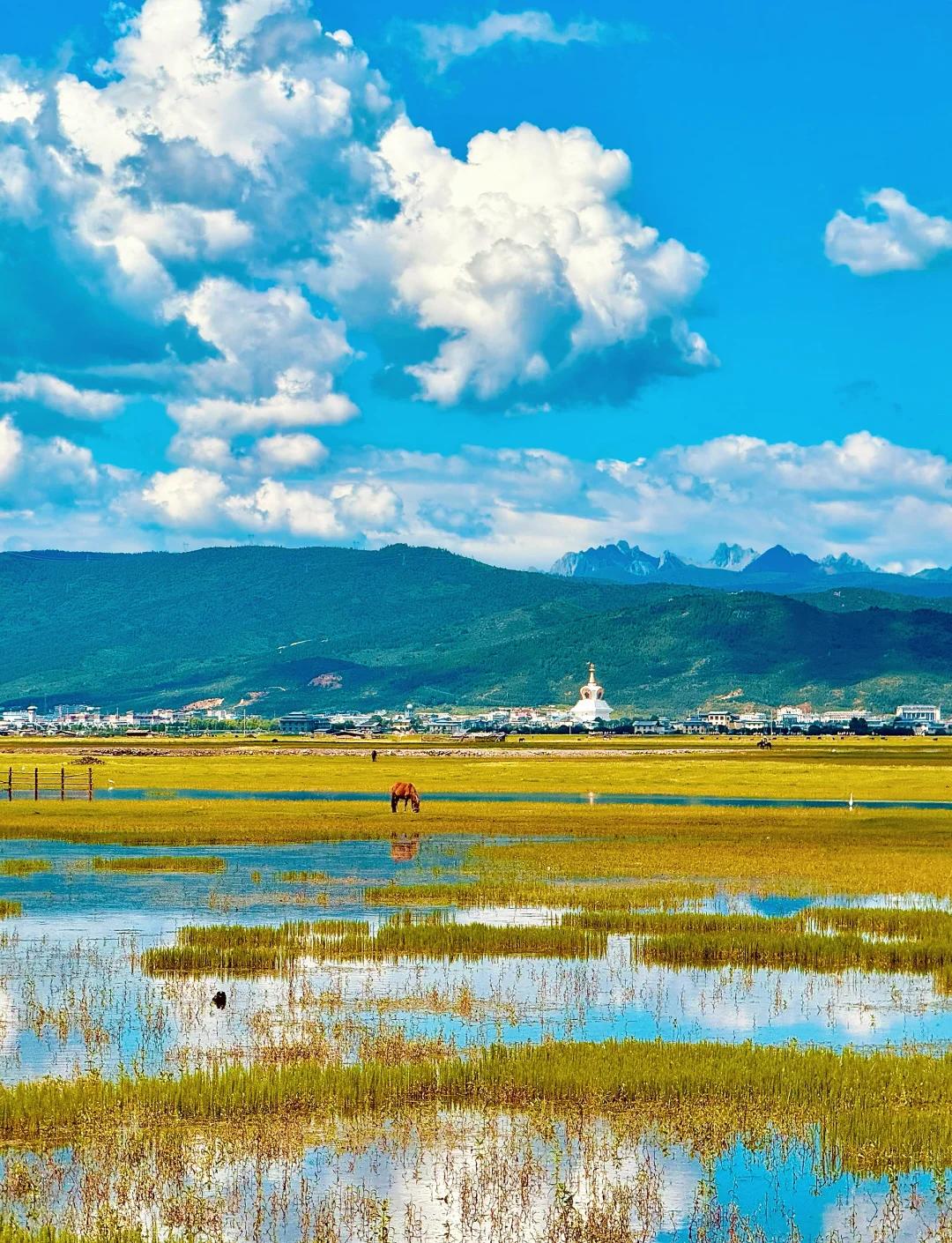
Across much of Yunnan, the dry season runs roughly from November to April and the wetter season from May to October. Most annual rain falls in the wetter months, but showers can be short and local.
Rain matters most on mountain roads and exposed walks. Keep remote sections flexible and check local forecasts rather than cancelling a provincial trip because one app shows rain.
Dry months can bring clearer skies, strong sun and large day-to-night temperature changes. UV protection matters even when the air feels cool.
Kunming and central Yunnan
Kunming works in most months. Winter days can be sunny, but mornings and unheated interiors feel cold. Spring is dry and bright; summer is mild but wetter.
The Stone Forest, Chuxiong and Yuxi follow a similar broad rhythm, with local differences in elevation. City visits work in most months; outdoor plans need closer weather checks.
Dali and Lijiang
Dali and Lijiang are popular in spring and autumn for good reason: daytime walking is comfortable, the light is often clear and the busiest summer rain has either not started or is easing. Nights remain cool, particularly in Lijiang and anywhere above the old towns.
Summer is green, busy and wet. Carry a light waterproof layer and allow changes around Cangshan, Jade Dragon Snow Mountain and steep roads.
Winter is quieter and often bright, but heating varies and early starts are cold. Pack for after sunset, not only midday.
Shangri-La and the high northwest
The high country has a shorter comfortable season. Late spring to early autumn generally offers easier road access, open grasslands and more practical conditions for ordinary sightseeing. Even in summer, temperatures can drop quickly after dark.
Winter brings cold, ice and the possibility of snow. It can be beautiful, but it is not a casual extension of a mild Dali holiday. Some walking routes, mountain roads and seasonal services may be limited. Travellers should allow time to adjust to altitude and avoid planning a demanding day immediately after arrival.
Flowering periods and autumn colour vary from year to year. Treat published dates as a rough window, not an appointment with nature.

Xishuangbanna and the tropical south
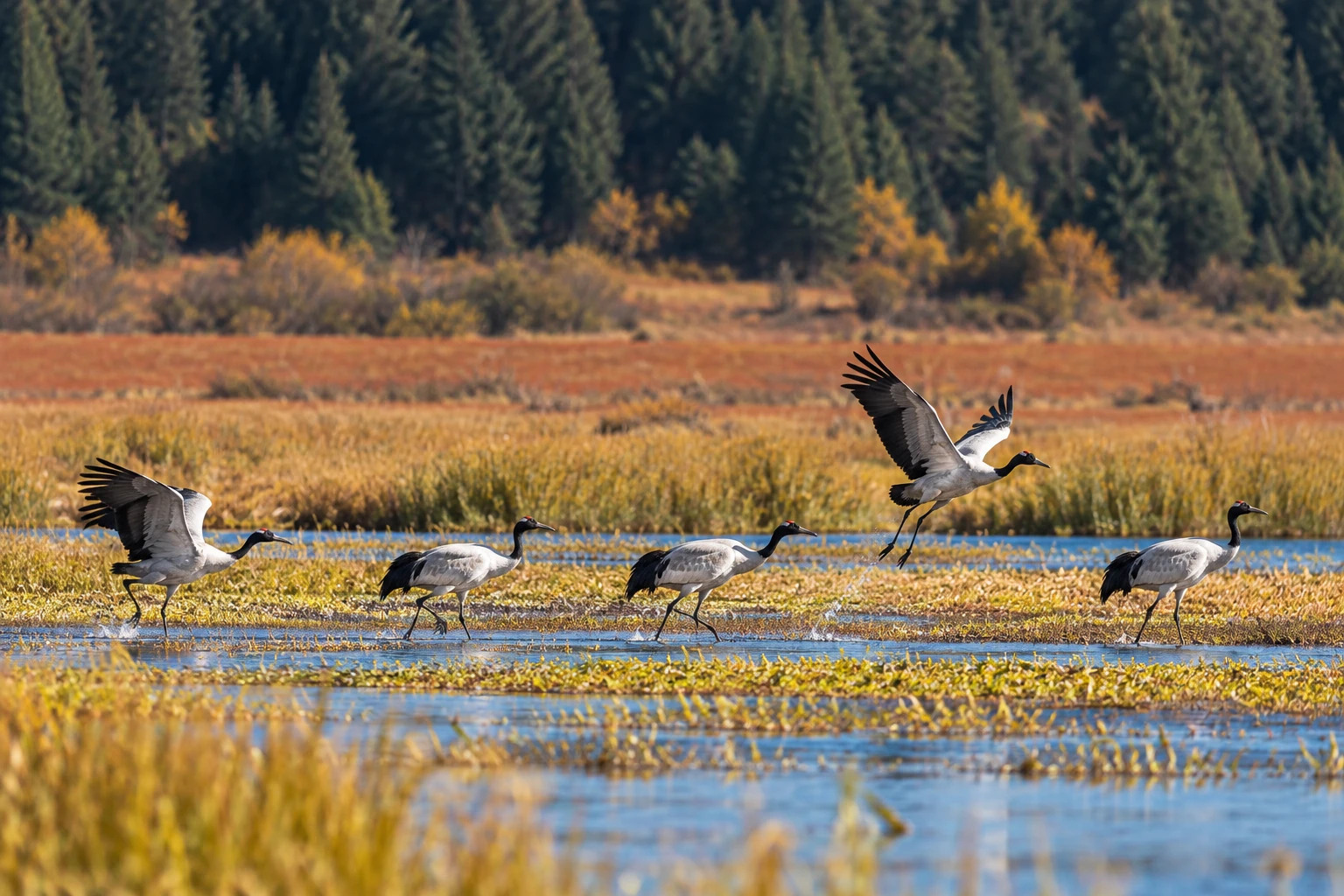
Southern Yunnan follows a warmer pattern. Xishuangbanna and the lower areas around Pu’er can feel hot when the northwest is still wearing winter clothes.
Late autumn through winter is comfortable for many visitors. Late spring can be hot; the wet season is humid and intensely green, with tropical downpours and active insects.
If the trip combines Xishuangbanna with Shangri-La, pack for two climates. No single jacket or weather description covers both ends of that journey.

Tengchong, Baoshan, Dehong and western Yunnan
Tengchong suits the drier months, while autumn draws visitors for seasonal colour. Dehong is lower, warmer and more humid than Lijiang.
Nujiang deserves separate caution because road conditions shape the trip. The valley can be visited in different seasons, but heavy rain raises the risk of landslides and delays on mountain roads. For a road-based journey there, local conditions in the week of travel matter more than a general “best month” list.
Southeast Yunnan and the rice terraces
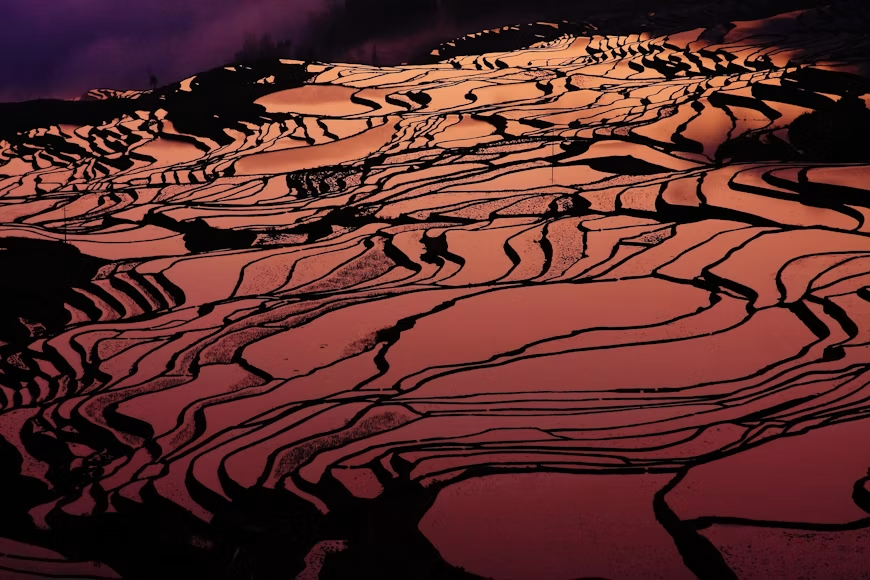
Yuanyang’s terraces change with the agricultural cycle: reflective water, planting, green growth and harvest are different experiences, not better and worse versions of one view.
Mist can create atmosphere or hide the view. Stay more than one night for photography and ask locally about current field conditions.
Choosing by season
December to February: Good for dry weather in many central and western areas and warmth in the tropical south. Expect cold nights at altitude and busy dates around major holidays.
March to May: A strong all-round period for central and northwest Yunnan. Conditions become warmer and the rain usually increases towards late spring. Southern lowlands can be hot.
June to August: Green, cool at elevation and popular for summer holidays. Rain, cloud and mountain-road disruption require flexibility. Book busy destinations early.
September to November: Rain generally eases, skies often clear and autumn conditions reach higher areas first. It is a good period for mixed regional travel, apart from the busiest national-holiday dates.
Festival dates, school holidays and public holidays can change both atmosphere and availability. If a particular celebration matters, confirm the date locally; traditional calendars and community arrangements do not always match a fixed date on an old website.
What to pack in any season
Pack layers, sun protection, a waterproof shell, comfortable shoes and warmth for the highest overnight stop. Protect documents and electronics inside the bag during rain.
Check separate forecasts for each destination shortly before travel. A province-wide forecast is almost meaningless when the itinerary spans tropical valleys and a plateau above 3,000 metres.
Frequently asked questions
Is the rainy season a bad time to visit Yunnan?
Not automatically. Summer landscapes are green and many highland areas remain comfortable. The trade-off is less predictable mountain weather, so keep road journeys and exposed walks flexible.
When is the best time for Yunnan flowers?
It depends on species, altitude and that year’s weather. Use flowering dates as broad planning windows and check current local reports closer to arrival.
Which month is best for a first trip?
For a mixed trip through central and northwest Yunnan, spring or autumn is often the easiest starting point. If the focus is tropical southern Yunnan, the drier winter months may suit better.
Official references
- Yunnan provincial climate overview
- China Weather: Yunnan climate overview
- Visit Yunnan: Regional guidance on the best time to visit
Seasonal conditions vary each year. Check current forecasts and road notices before travel.